
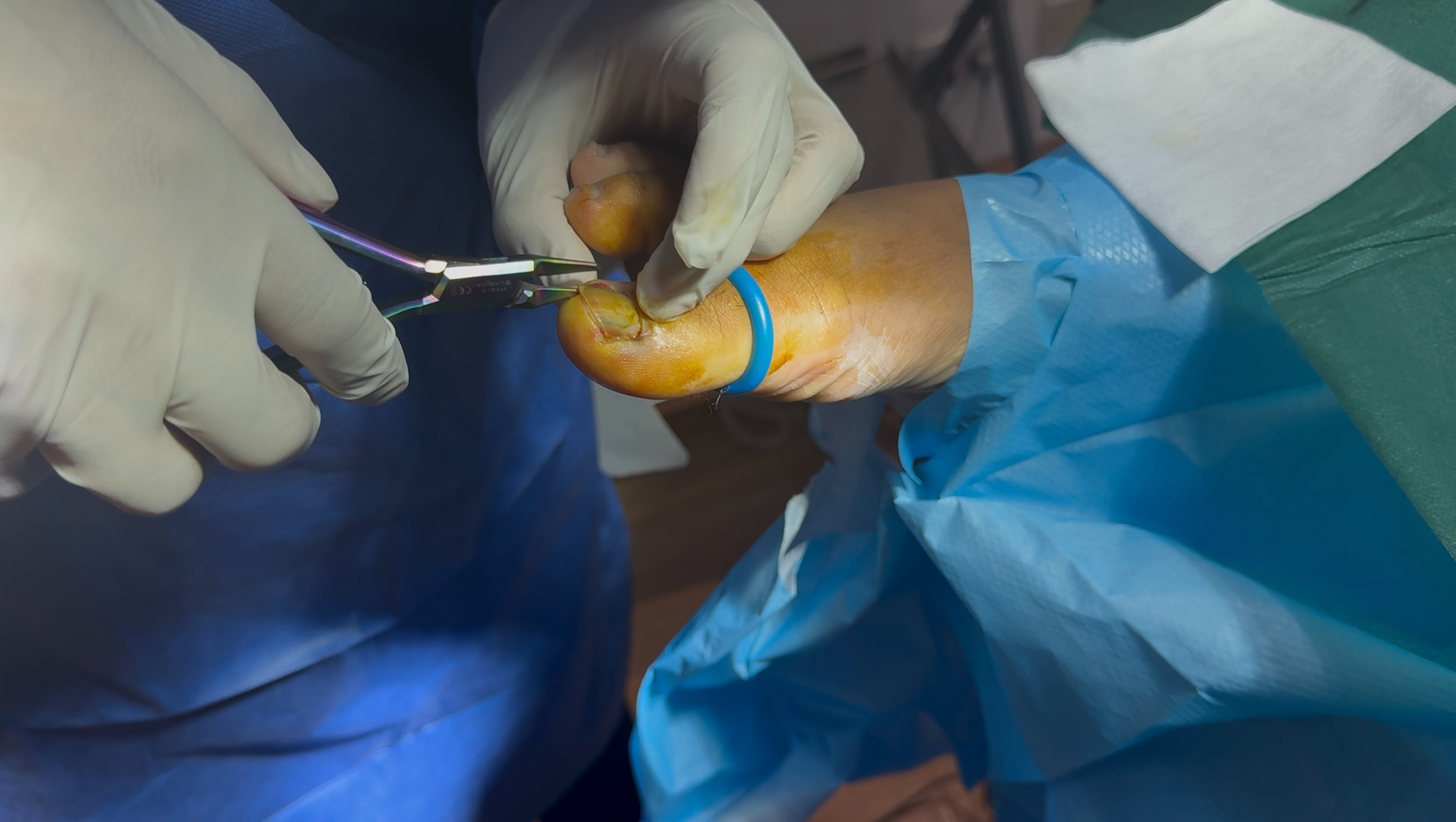
What is an ingrown toenail
An ingrown toenail occurs when the edge of the nail grows into the surrounding skin, causing tenderness, swelling and sometimes infection. It’s common on the big toe and can flair up after injury or poor nail trimming. If you notice redness, warmth or pus, avoid Ingrown toenail squeezing and keep the area clean and dry. Soaking in warm water with a touch of salt can ease discomfort, but you should seek professional advice for persistent pain or if you have diabetes or poor circulation.
Common causes and signs
Improper nail trimming is a frequent trigger. Cutting nails straight across rather than rounding the edges helps prevent the nail from digging into the skin. Tight footwear or repetitive trauma from activities like running can also contribute. Fungal nails removal Early signs include sharp pain when wearing shoes, a tender corner of the nail and minor swelling. If infection develops, swelling may extend beyond the nail bed or creak into surrounding tissue.
When to seek medical care
Home care may be enough for mild cases, but medical attention is advised when there is increasing redness, warmth, swelling or pus, or if you have reduced sensation in the toes. People with diabetes, poor circulation, or immune conditions should see a clinician sooner, as infections can progress rapidly. A clinician may lift the nail edge, treat any infection and provide guidance on nail care to prevent recurrence.
Fungal nails removal considerations
Fungal nails removal is a separate issue from an ingrown nail, but both conditions can affect nail health. If you suspect fungal infection, symptoms include thickened, discoloured or crumbly nails that may emit an unusual odour. A professional assessment can confirm the diagnosis, and treatments range from topical antifungals to laser options or, in some cases, debridement. Accurate diagnosis ensures you receive appropriate therapy and reduces the risk of spreading infection to others.
Practical at home care tips
Keep nails clean and dry, trim straight across, and avoid rounding the corners. Wear breathable footwear and avoid tight socks or shoes that press on the toes. If pain persists, elevate the foot and use over‑the‑counter pain relief as advised. For recurring issues, a podiatrist may offer custom guidance, including nail bracing or partial nail removal when needed to relieve pressure and promote healing.
Conclusion
In dealing with an ingrown toenail, consistent nail care and attentive monitoring are key. If a fungal nails removal concern arises, seek a professional assessment to determine the best course of action. Visit UK Nail Surgeon for more information and guidance on how to maintain healthy nails and prevent future problems.