
Understanding gentle cancer care
Patients seeking gentler approaches often explore strategies that aim to balance effectiveness with quality of life. Low Dose Chemo offers a less aggressive rhythm of drug administration, potentially reducing side effects while still targeting malignant cells. This approach emphasises careful monitoring, tailored dosing, and a collaborative plan between Low Dose Chemo oncology specialists and the patient. By framing treatment as a series of measured steps, clinicians can adjust regimens in response to tolerance, tumour response, and overall well being. Practical considerations include scheduling, symptom tracking, and clear communication about goals of care.
Benefits and practical considerations
When institutions discuss Low Dose Chemo, they typically highlight patient comfort, reduced toxicity compared with standard regimens, and the potential for maintained activity levels. The strategy relies on lower, more frequent doses that accumulate therapeutic effects without overwhelming the body. Real-world Holistic Cancer Treatment Florida outcomes vary by cancer type, stage, and individual health, so clinics emphasise onboarding education, decision aids, and early symptom management. Healthcare teams also consider interactions with existing therapies and supportive measures to sustain daily living.
Holistic Cancer Treatment Florida approach
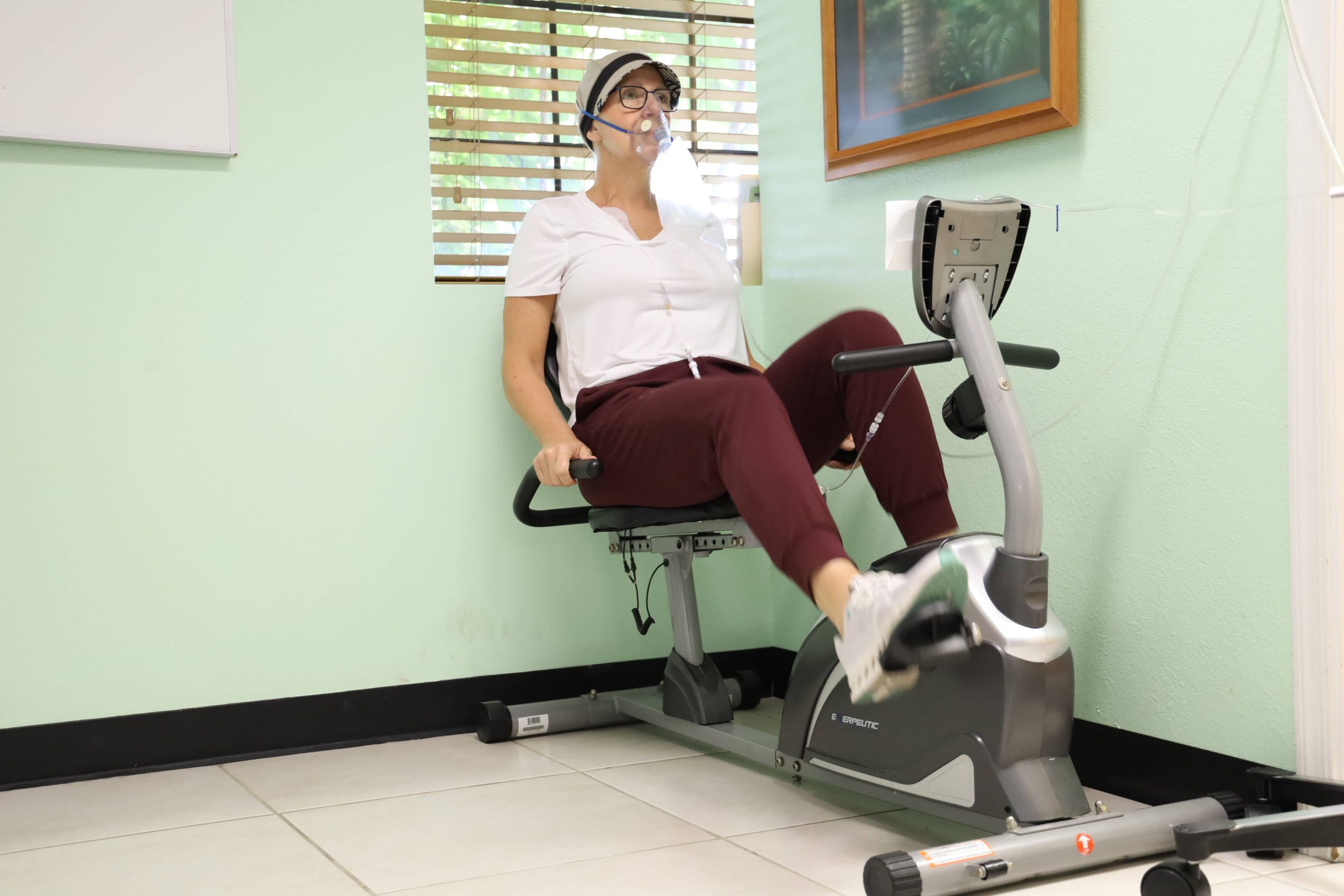
Holistic Cancer Treatment Florida combines conventional care with complementary modalities to support the whole person. This framework often includes nutrition guidance, physical activity planning, stress reduction, and mind–body therapies. While integrating these elements, practitioners remain attentive to evidence-based protocols and patient safety. The goal is to align medical treatment with personal values, ensuring patients feel informed and involved in every decision made along the journey.
Delivery models and patient engagement
Effective delivery hinges on multidisciplinary teams, transparent communication, and flexible scheduling. Patients are encouraged to discuss preferences, set realistic targets, and report adverse effects promptly. Supportive services such as nutrition counselling, physical therapy, and caregiver education play a crucial role in sustaining treatment plans. Clinics adopting these models prioritise continuity of care, regular follow-up, and clear documentation to track progress and adjust plans as needed.
Conclusion
Exploring Low Dose Chemo involves weighing tolerance, efficacy, and personal goals with professional guidance. By staying informed and engaged, patients can navigate a course that supports daily living while pursuing meaningful outcomes. Visit An Oasis of Healing for more inspiration and resources to complement your treatment journey.