
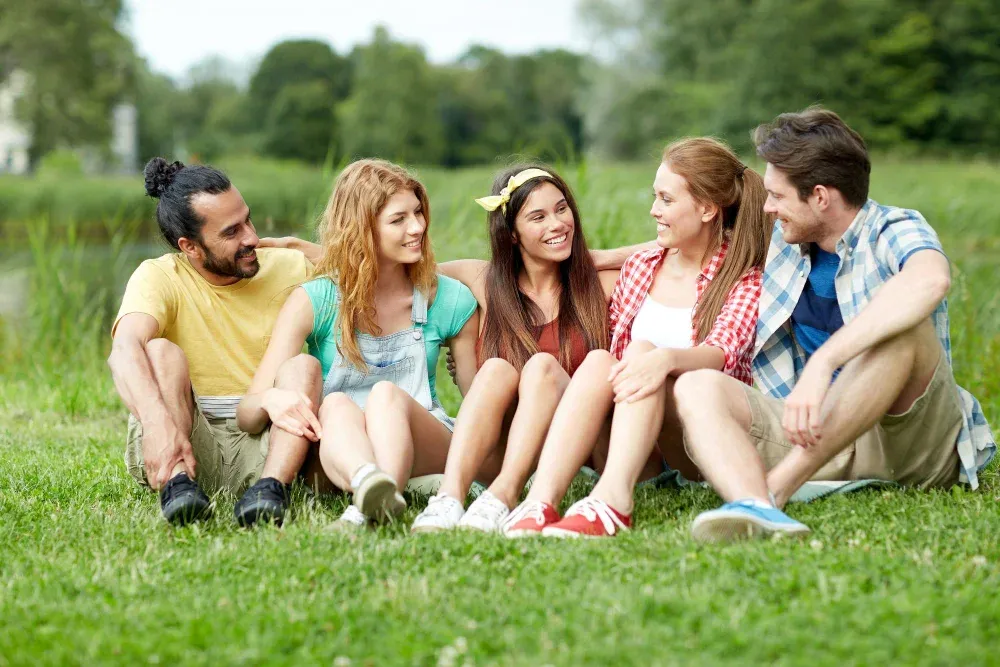
Creating peer led support networks
In many schools the quiet shift starts with students choosing to mentor peers in subtle ways that ripple through everyday routines. When Peer Support Programs in Schools are structured, they become a lifeline rather than a rumor. Mentors get quick training, a clear set of boundaries, and space to practice listening, Peer Support Programs in Schools not fixing. The goal is simple: a trusted friend who can spot trouble, offer a steady seat in a crowded hallway, and point a peer toward adult help when needed. Schools notice the trust grow long before the formal signs show up.
Centering student wellness in daily life
Wellbeing isn’t a mood to check once a month; it’s a rhythm woven into class transitions, lunch lines, and after school clubs. The idea behind Student Wellness Programs in Connecticut is to give schools practical tools that travel from counselor office to gym floor. Student Wellness Programs in Connecticut When students see routines that support mental health, sleep, nutrition, and safe peer talk, the fear of stigma eases. Programs that fund peer support, peer check ins, and time for reflective practice make calm feel normal.
Structured roles and governance
Clear roles keep teams honest and alive. A mentoring lead, a social worker liaison, and a peer trainer share tasks so no one burns out. The best systems set guardrails around confidentiality, consent, and reporting. They also bake in feedback loops that invite student voice—data from surveys, focus groups, and quick checks after events. A robust structure helps peers grow from listeners into community stewards, a tiny force with a broad reach.
Program design that travels across spaces
Effective programs ripple from the classroom to the bus, cafeteria, and athletic fields. When schools design spaces for equals to connect—peers listening in quiet corners, small groups during advisory, open hours in the library—the reach expands. Practical steps include staggered mentor shifts, low cost training modules, and easy reporting forms. The aim is to normalize help seeking so every hallway feels like a safe zone, every voice matters, and adults stay reachable.
Engagement through real world outcomes
Real outcomes show up as fewer hallway conflicts, quicker help for peers in distress, and more students stepping into leadership roles. Programs measure shifts in attendance, mood notes, and crisis response times, then adjust. Schools that pair data with story sharing build credibility and momentum. When a student sees a fellow peer model healthy coping, the effect multiplies, turning a single act into a schoolwide norm.
Resource sharing and community partners
Partnerships broaden the safety net. Local clinics, youth groups, and family services feed into school calendars with workshops, parent nights, and screening events. A well tended network helps staff who carry more than their share of worry, by offering respite and support. When families and neighbors join hands, the school becomes a hub where care travels smoothly from home to hall and back again.
Conclusion
In the end, school life gains a sturdier spine when peer support runs through its core like a soft tether—visible, reliable, practical. Students become agents of their own wellbeing, and the campus feels less like a maze and more like a community that watches out for one another. The most lasting gains come from small, consistent acts: a check in, a shared snack, a quick debrief after a tough day. Higher Heights, a partner in this work through higherheightz.com, helps districts map those steps and keep momentum alive.