
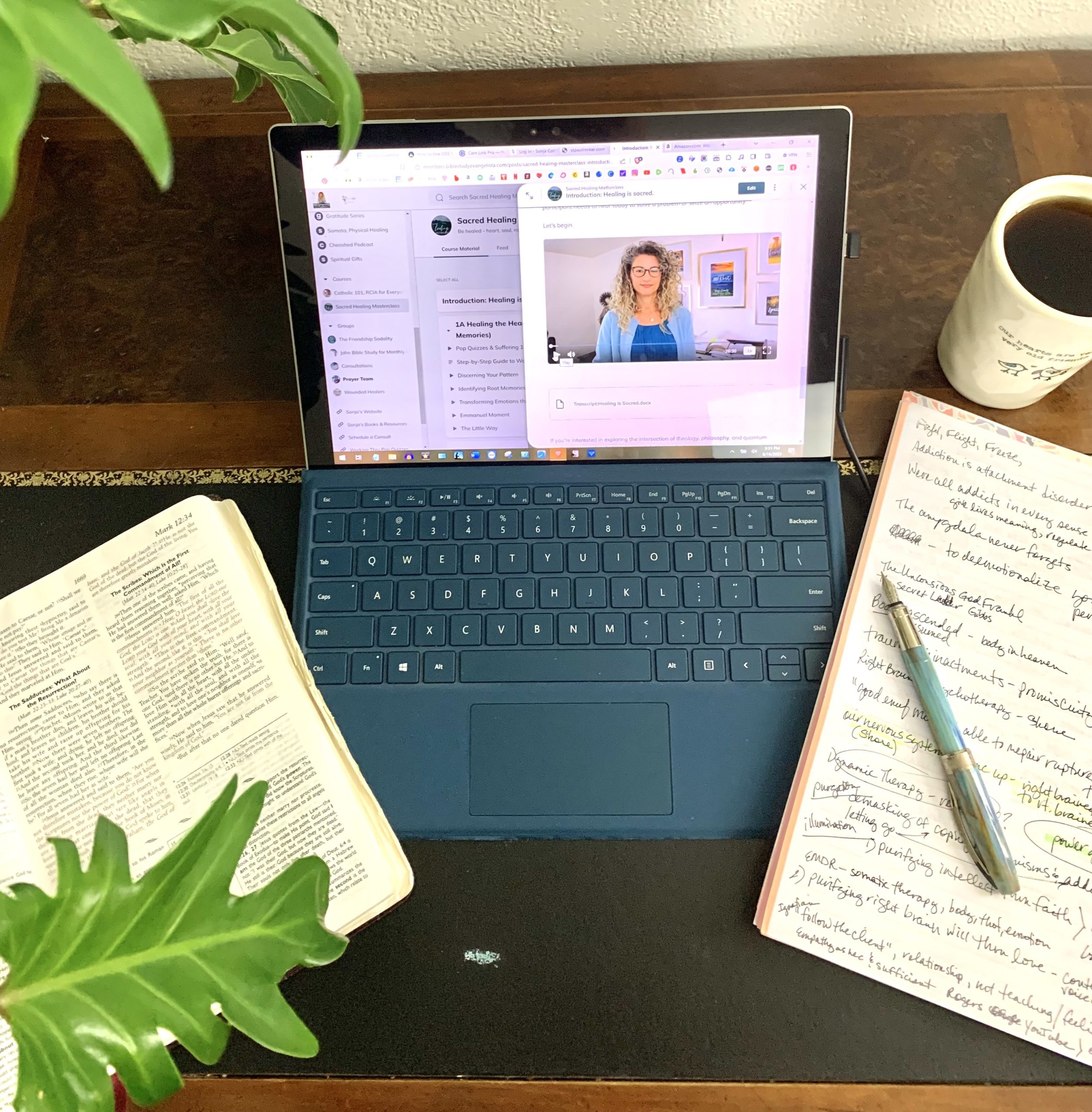
Quiet practice spaces
In churches and parish halls, small quiet rooms open up where people drop the day’s tight pace. Catholic prayer workshops invite neighbours to come as they are, with worn shoes and coffee rings on their hands. A warm welcome lowers walls that time builds in our minds. The format is clear: a short talk, a guided moment, then time to catholic prayer workshops share what moves. The idea isn’t to win praise but to learn how a simple seat, a soft breath, and a spoken line can slow the clock. Small groups form a rhythm, a signal that rest is possible even between duties and duties again, pressing duties away for a while.
Guided breath and stillness
In the Catholic prayer and meditation guide the room fills with a hush that feels almost ceremonial. The guide practices short, precise cues for attention—short inhalations, longer exhalations, and a gentle scan of the body from toes to crown. People learn to name a thought and then release it, not catholic prayer and meditation guide by denial but by choosing a slower pace. The focus stays simple: keep the breath steady, keep the body relaxed, keep the mind from wandering into what ifs. Silence grows comfortable, a friend who waits in the margins of everyday talk.
Practical steps for beginners
Participants discover small, practical steps that fit a busy life. A 15 minute morning routine might start with a bell, a posture, and a sentence such as a short blessing. The workshop shows how to keep a journal without pressure, jotting one line of gratitude, one line of challenge. It’s about building a tiny craft—like weaving – where each session adds a thread. The aim is not mystic awe alone but a reliable path to steadier mornings, better listening, and a softer heart at meals and meetings alike.
Stories that light the way
Personal stories bring texture to the room. A grandmother recalls kneeling by the kitchen sink, a student remembers a late train ride that turned into a pause, a worker describes a busy desk that finally quieted when a phrase echoed in the head. These moments stitch shared meaning into the day. In a setting that honours lived faith, words become tools rather than trophies. Each tale nudges others to try a line, a breath, a pause, and to notice how small acts of attention ripple outward in family life and work.
How communities grow stronger
When neighbours learn to pray together, the sense of isolation softens. The practical focus stays clear: more listening, less hurried talk, better support during tough weeks. Catholic prayer workshops cultivate a space where questions can sit alongside praise, where doubt can share the bench with hope. The atmosphere respects different paths; it invites curiosity rather than competition. Over time, participants notice a shared rhythm: the day no longer rushes past but winds with gentleness, leaving room for care, forgiveness, and ordinary acts that feel sacred in the everyday grind of life.
Conclusion
Quiet rooms, soft breath, and patient listening become durable habits rather than fleeting moments. The workshop path offers a reliable, welcoming route into prayer that doesn’t require perfect words or flawless calm. It acknowledges real fatigue and real joy, making space for both. Although the parish pages speak of ritual, the effect is almost personal: a steadier mind, kinder speech, and a more attentive heart when a child asks a question, when a colleague speaks too fast, when supper is late. For those curious about how to grow in faith without drama, Sonjacorbitt.com quietly stands by as a resource and a friend in the journey.