
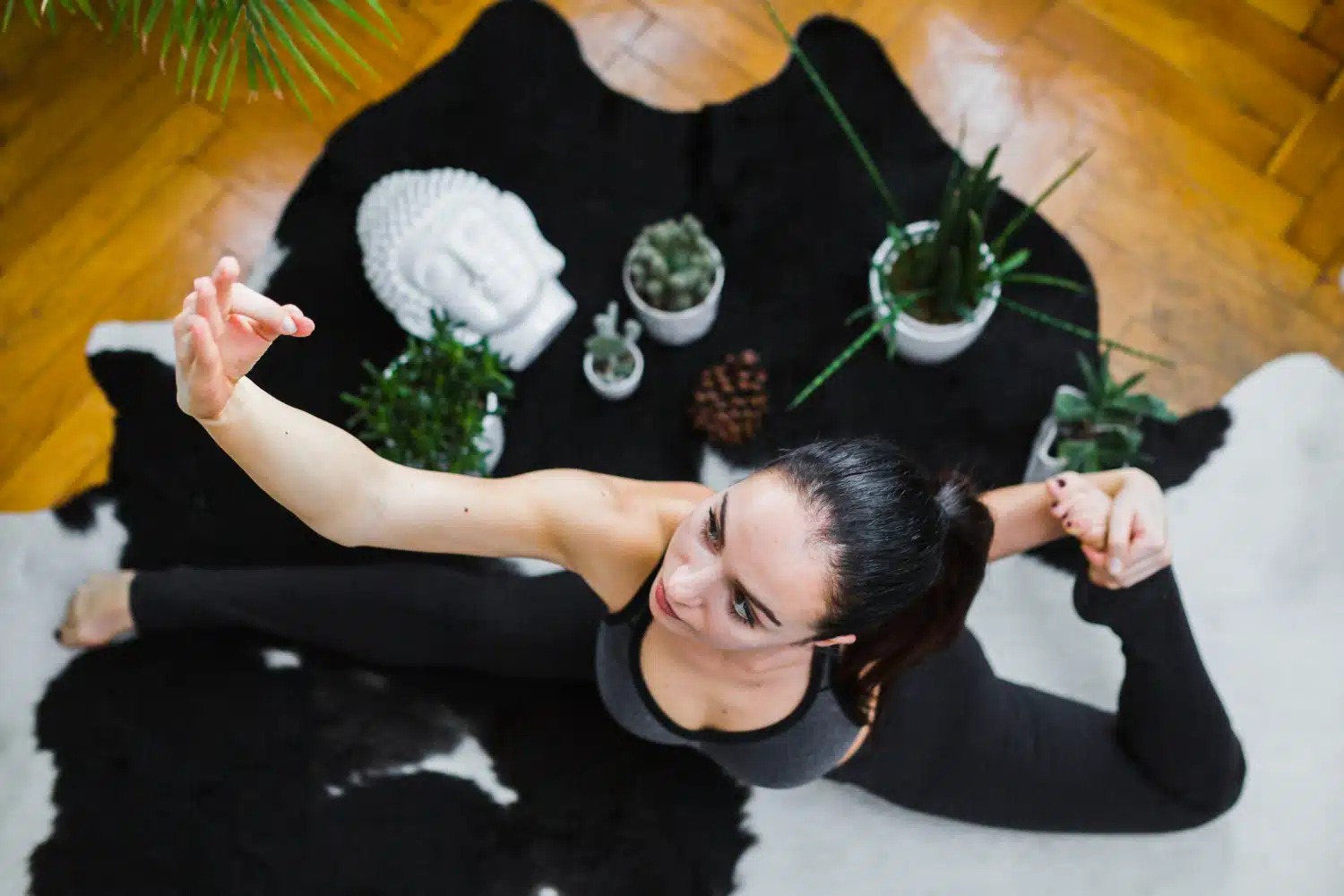
Calm starts with posture
Simple posture sets the stage for a reset. Stand tall, feet shoulder width, shoulders soft. Inhale through the nose for a count of four, hold just a beat, then exhale through the mouth for a slow six. This tiny lag lets the rib cage settle and the diaphragm ease into its work. The nervous system drinks in this Best Breathing Techniques For Nervous System Reset rhythm, and the body quiets a notch. It helps to notice the feet, the weight shifting from heel to toe, the jaw unclenching. With that ease, the mind stops pinging between tasks and fears, even if only for a minute. A steady base makes every breath more effective.
Breath that speaks to the body
The right breath can tell the body to switch from alert to calm. Start with a gentle inhale through the nose for three counts, then a longer exhale for five. Focus on fogging the air with calm, not forcing it. This approach, dubbed for many as the best way to soothe the Breathing Exercises For Anxiety Relief At Home system, invites the lungs to reach into the lower lobes. The goal isn’t hyper-control but a soft, reliable cadence that lowers heart rate and steadies the hands. Subtle sounds of breathing become less a signal of danger and more a hint of relief.
Simple counts that steady the mind
Counted breathing keeps the nervous system tethered to the present. Try a four-nine pattern: inhale 4, exhale 9. It sounds long, but it stays doable; the trick is to keep the exhale slow and smooth. Do this for five minutes, then rest or switch to natural breathing for a minute. The all-day version is a lighter, less dramatic routine that slips into a break between tasks. When tension builds, the rhythm becomes a gentle anchor rather than a pull toward a deep dive of worry.
Patterns for stress during the day
Short breathing moments punctuate a busy day. Try quick two-in, four-out cycles between meetings, or a 10-count exhale after answering a string of emails. The simple aim is to give the nervous system brief relief from constant cues. To make this concrete, use a short checklist: sit straight, breathe through the nose, ease the jaw, soften the shoulders. If distractions fade in, return to the pattern for as long as needed. Consistency matters more than intensity.
When to practice and what to expect
Morning and evening calendars work for many, but the best rhythm is the one that fits real life. A quick five-minute session before sleep can curb racing thoughts, while a mid-day pause can lower a tense mood. The body learns patterns, so repetition compounds results. Expect small wins first: a slower heartbeat, less clenching, clearer thinking. Over days, the breath becomes a trusted tool rather than a rare effort. The goal is resilience, not perfection, with gentle progress that adds up.
Conclusion
Breathing routines anchor the nervous system when stress tightens its grip. They prove practical, accessible, and scalable for anyone, anywhere. The approach favors simplicity—no gear, no drama, just mindful inhales and calm exhales that ripple through mood and focus. For readers seeking deeper resources and structured guidance, Hopeforhealingfoundation.org offers ongoing support and practical tips tailored to real life, not airy theory. A steady practice, even in small doses, builds a steadier self that can show up for the day with more steadiness and less reactivity.