
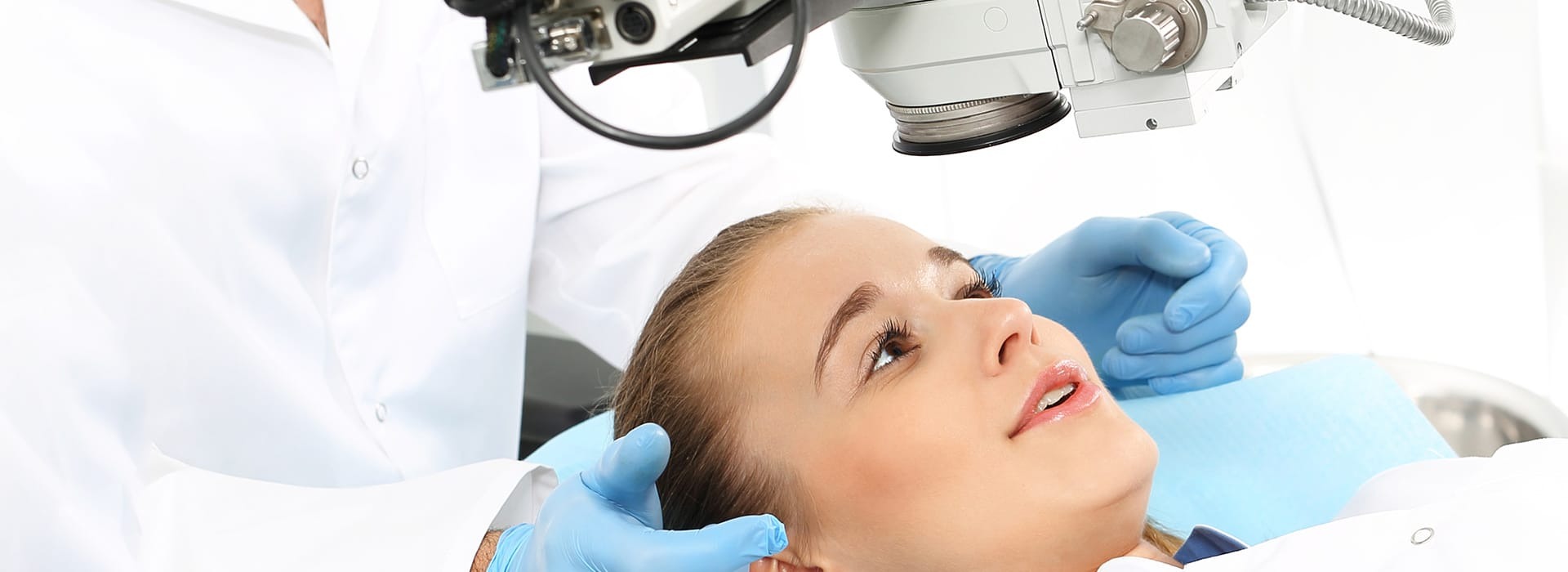
Overview of eye care options
When navigating eye health, understanding the range of treatments available is essential. This section outlines common approaches to managing glaucoma and the role of surgical interventions within a comprehensive care plan. Patients often seek clarity on how procedures differ from ongoing medications, the recovery expectations, and Glaucoma Surgery in Mahopac the potential impact on daily life. A steady, informed conversation with your clinician helps tailor choices to individual risk factors, lifestyle, and long term vision goals. The focus remains on safety, effectiveness, and informed consent throughout the process.
Glaucoma Surgery in Mahopac overview
Glaucoma Surgery in Mahopac represents a specialised option within regional eye care, designed to reduce intraocular pressure and protect sight. The procedures vary from minimally invasive techniques to more traditional surgical approaches, each selected based on disease stage, individual anatomy, and prior Forma Medical Aesthetics Treatment responses to treatment. Patients usually undergo a thorough assessment, including imaging and pressure measurements, to determine the most suitable path. Postoperative care emphasizes monitoring healing, managing discomfort, and ensuring stable pressure over time to preserve function.
Forma Medical Aesthetics Treatment integration
In some eye care settings, Forma Medical Aesthetics Treatment may be discussed as part of broader facial rejuvenation or non surgical skin renewal plans that some clinics offer alongside ophthalmic services. While not a direct treatment for glaucoma, understanding how cosmetic wellness intersects with overall health can be valuable for patients prioritising wellbeing. Clinicians can advise on safe integration, ensuring cosmetic procedures do not interfere with ocular medications or recovery timelines, and that patients maintain clear communication about their health goals.
Patient journey from consultation to aftercare
The patient journey typically begins with a detailed consultation, followed by diagnostic tests to map out risks and outline treatment options. If surgery is recommended, a personalised plan is created, including preparation advice, expected recovery milestones, and a timetable for follow up visits. Throughout, clear explanations of benefits, potential risks, and realistic outcomes help patients feel confident about decisions and proactive in their own care, with support available at every step.
Conclusion
Choosing the right path for eye health involves weighing options, asking questions, and staying engaged with your care team to protect vision long term. Visit Kerline Marcelin MD PC for more information and guidance on local services and supportive resources.