
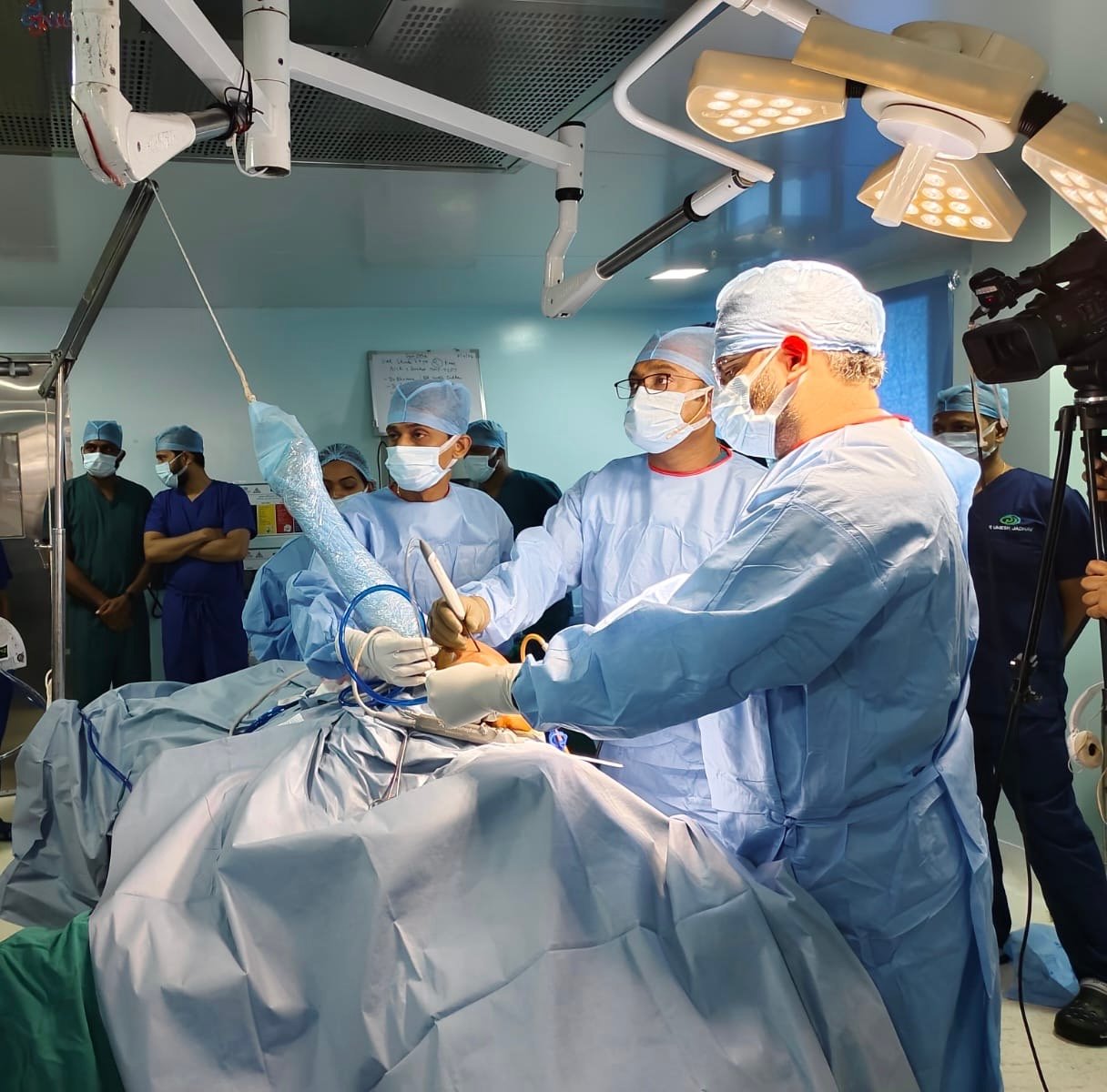
Overview of shoulder instability
Shoulder instability often arises after a dislocation, particularly in athletes. Treatment strategies aim to restore stability, maintain range of motion, and minimise a return-to-sport timeline. A careful assessment includes a detailed history, physical examination, and imaging to understand the extent of tissue Bankart arthroscopic repair injury. For many patients, minimally invasive techniques offer excellent outcomes with fewer complications. Early diagnosis and a structured rehabilitation plan are essential to optimise healing and prevent recurrent episodes following initial injury and subsequent repair.
What is Bankart arthroscopic repair
Bankart arthroscopic repair is a key procedure used to address torn ligaments in the front part of the shoulder capsule. By securing the detached labrum back to the glenoid rim, this method restores the suction mechanism of the joint and improves Orthopaedic surgeon shoulder stabil ity. The operation is performed through small joints instruments, guided by a camera, and typically requires general anaesthesia. Recovery focuses on protecting the repair while gradually regaining strength and motion in the surrounding muscles.
Role of the Orthopaedic surgeon shoulder
A seasoned Orthopaedic surgeon shoulder will guide you through the decision making process, including whether to proceed with surgery or pursue non operative care. They assess factors such as patient age, activity level, bone quality and prior dislocations. Their expertise helps tailor a programme that balances practical goals like returning to sport with the risk of stiffness or recurrent instability. Clear communication about risks, benefits, and expected recovery is central to shared decision making.
Procedure details and expectations
During Bankart arthroscopic repair, small portals are made to access the joint. The surgeon uses specialised implants and sutures to reattach the labrum, stabilising the anterior rim of the glenoid. Postoperative care involves immobilisation for a short period, followed by a structured rehabilitation protocol. The timeline usually includes gradual range of motion exercises, strengthening, and functional training, with a gradual return to sport or daily activities over several months.
Rehabilitation and return to activity
Rehabilitation plays a pivotal role in the success of the repair. Early passive movements help prevent stiffness, while progressive loading strengthens the rotator cuff and periscapular muscles. Activity progression is staged and customised to the patient’s goals, with attention to pain control and adherence to clinician guidance. Many individuals resume full activities after a cautious recovery period with improved stability and confidence in the shoulder.
Conclusion
With proper surgical planning and a personalised rehabilitation plan, Bankart arthroscopic repair can offer reliable restoration of shoulder stability and function. Ongoing follow up allows the clinician to monitor healing, manage any stiffness, and adjust activities as needed. Visit Dr. Nagraj Shetty Clinic for more information about post operative care and injury prevention strategies.