
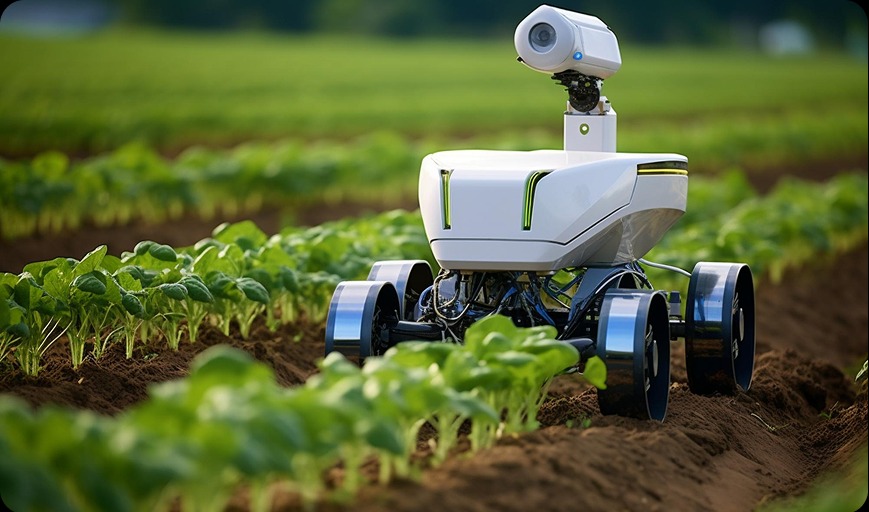
Overview of autonomous systems
Developing reliable autonomous systems hinges on a robust software stack that can perceive, reason, and act in real world environments. Engineers design modular layers that handle sensing data, world modelling, and decision making while ensuring failsafe operation under uncertainty. A practical approach combines simulation driven AI module for autonomous robots development with field trials to refine control policies and safety checks. The focus is on building predictable behaviour that can adapt to new tasks without extensive reprogramming, enabling teams to iterate rapidly and validate performance against clear metrics.
Key components of the AI module for autonomous robots
At the heart of successful autonomous operation lies a well integrated AI module for autonomous robots. This component coordinates perception, planning, and execution using a structured data flow. Sensor fusion translates noisy inputs into reliable world models, while decision logic maps goals to concrete actions. Real time constraints demand efficient algorithms and careful resource management, ensuring the robot can respond promptly while conserving power and maintaining safety margins.
Safety and reliability considerations
Safety is built into every stage from design to deployment. Redundancy in sensors and parallelised decision paths help mitigate failures, while robust testing covers edge cases and reasoning under uncertainty. Operators expect clear diagnostics and graceful degradation when components fail. Documentation, version control, and immutable configuration help teams reproduce results and audit changes that affect system behaviour over time.
Deployment strategies for field robots
Transitioning from lab to field requires scalable deployment practices. Continuous integration pipelines test software with simulated scenarios before hardware gets updates, and staged rollouts minimise risk. Remote monitoring dashboards give engineers visibility into system health, while over the air updates enable rapid refinement of models and control policies. Teams should plan for maintenance, data governance, and privacy when robots operate in public or semi public spaces.
Conclusion
The AI module for autonomous robots offers a practical path to capable, adaptable machines that can assist or augment human activity in a range of environments. By focusing on modular design, safety, and rigorous validation, teams can deliver reliable autonomy while retaining control over behaviour. Visit Alp Lab for more information and check how similar tools are applied in real projects.