
Choosing the right model
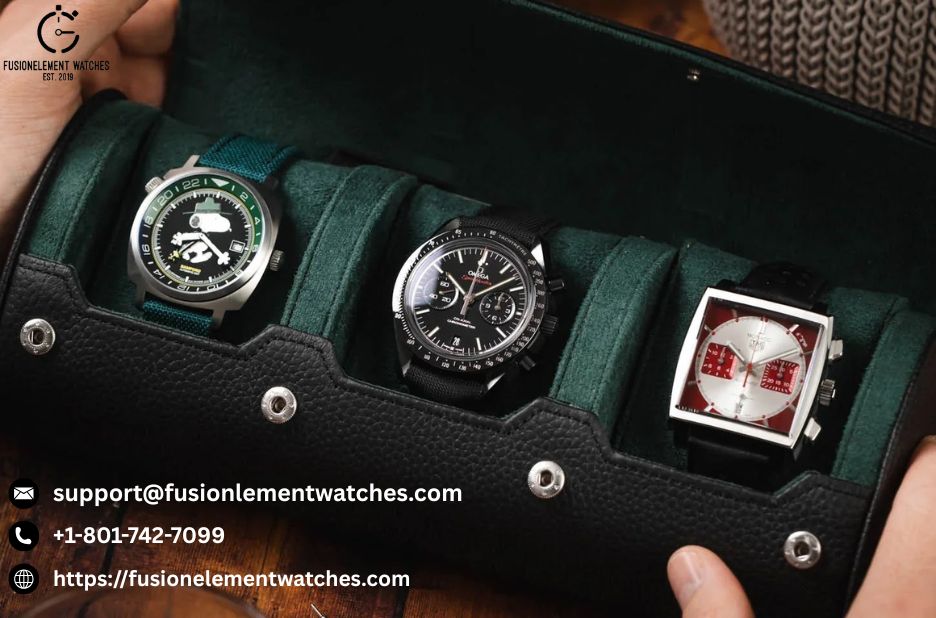
Collectors begin by identifying a few trusted brands that have endured through decades of design changes. Focus on watches known for robust movements, accessible parts, and a clear provenance. When evaluating a vintage automatic watch, inspect the case for originality, including engravings, dial patina, and the crown position. A careful visual vintage automatic watch check helps avoid misleading restorations. If you can, compare with reference catalogs or seek a verified service history. Start with models that match your budget and grow from there as you learn the market and improve your eye for quality and authenticity.
Why maintenance matters
Maintenance shapes how a vintage timepiece performs over time and can dramatically affect its value. Regular servicing by a skilled watchmaker familiar with classic calibers keeps gears clean and lubricants fresh. Recommend a routine check every three to five years, and more often if the watch is worn daily. Aged seals may require replacement to maintain water resistance in scenarios where that spec was never guaranteed from new. Proper care extends the life of a vintage automatic watch and preserves its sonic and tactile cues.
Authentication tips and red flags
Authenticating a vintage automatic watch requires attention to detail: movement finishing, dial consistency, and caseback markings. Look for correct serial numbers and consistent lume on hands and markers. Be cautious of overpolished cases or repainted dials, which can erase history. If a seller cannot guarantee original parts or provides vague provenance, seek third‑party authentication or professional appraisal before purchasing. An informed approach lowers risk and helps you value a watch for what it truly represents in the timeline of horology.
Collecting strategies for beginners
Approach collecting with a plan that balances passion and practicality. Define your interest, whether it’s a specific era, movement type, or brand, and set a budget with room for occasional exceptional pieces. Start by buying well-known models in good condition with service records or certificates, then expand to less common variants as your knowledge grows. A disciplined strategy, patience, and network with other enthusiasts often lead to better deals and deeper appreciation for the craft behind a vintage automatic watch.
Careful storage and daily wear
Storage choices protect the mechanism and preserve dial integrity. Keep watches in a cool, dry place away from strong magnetic fields that can affect accuracy. A dedicated watch winder can help conserves mainspring tension, but manual winding may be preferable for some calibers to avoid unnecessary wear during storage. For daily wear, rotate your collection to minimize friction on individual pieces. Proper handling, regular checks, and a thoughtful rotation schedule ensure your timepieces stay reliable for years to come.
Conclusion
Building a thoughtful collection around a vintage automatic watch combines curiosity with care. By prioritizing authenticity, maintenance, and informed purchasing, you can enjoy precise timekeeping and meaningful history without compromising value. Stay patient, seek reputable sources, and let your growing understanding guide choices that celebrate traditional craftsmanship while fitting modern lifestyles.