
Overview of early language learning
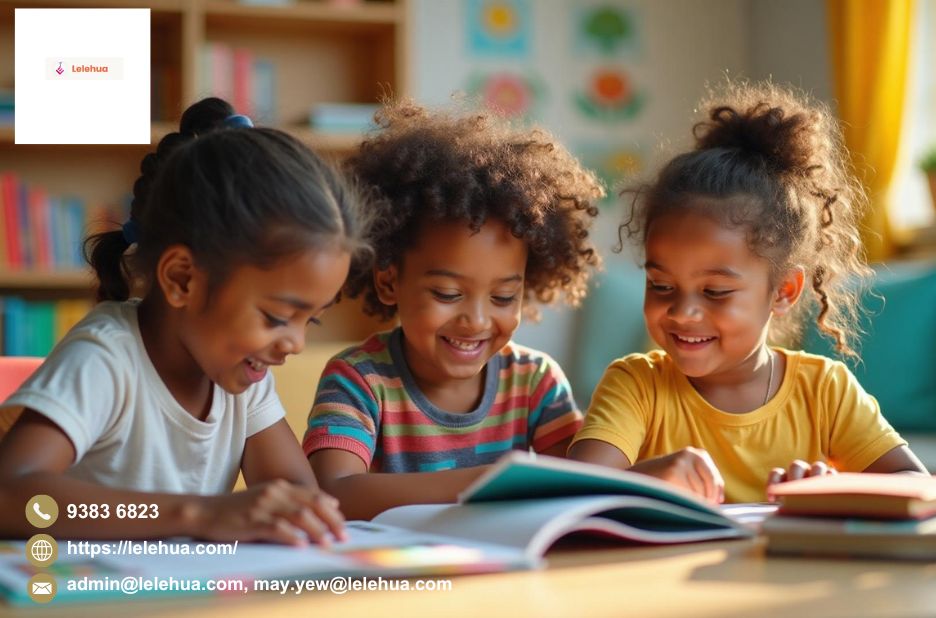
Parents and caregivers increasingly seek approaches that support language development during the crucial early years. A well designed bilingual childcare programme combines everyday routines, play, and structured learning to help children absorb two languages naturally. It emphasizes oral communication, listening, and social interaction as the foundation for literacy. Programs are bilingual childcare programme most effective when they respect each child’s pace, integrate visuals and songs, and provide gentle exposure to both languages without overwhelming young minds. The goal is a calm, supportive environment where every child builds confidence while exploring new sounds and meanings.
Key activities that foster language growth
Structured routines, such as story time, songs, and pretend play, create predictable language moments that strengthen memory and comprehension. A bilingual childcare programme weaves vocabulary into daily tasks like mealtimes, tidy up time, and outdoor exploration, making language meaningful in real life. bilingual animation for kids Reading aloud with repeated phrases helps children recognize patterns, while responsive conversations invite questions and observations. Multisensory activities—letters, pictures, and tactile objects—anchor new words in memory, supporting both languages without favoring one over the other.
Choosing the right approach for families
When selecting a program, consider the teaching philosophy, teacher qualifications, and the balance between languages. Effective models provide ample opportunities for authentic dialogue in both languages, with teachers modeling correct pronunciation and cultural context. A flexible schedule that accommodates nap times, meals, and play ensures children remain engaged. Parents should look for regular progress updates and practical activities that extend learning at home. A supportive environment also fosters emotional security, which is essential for language risk taking and curiosity.
Practical tips for at home reinforcement
Consistency is key when supporting a bilingual journey outside the classroom. Create a light daily routine that naturally includes both languages through storytelling, music, and simple chores. Label household items in two languages, use bilingual picture books, and encourage children to describe their day in their preferred language. Limit language switching during dedicated times to prevent confusion, yet stay responsive to a child’s interests and questions. Short, frequent sessions often outperform long, irregular lessons for young learners.
Considerations for program success
Visual supports, such as labeled pictures and color coded cues, help solidify meaning and recall. Regular opportunities for peer interaction in both languages promote social use, pronunciation practice, and confidence. Monitoring progress with gentle, non graded feedback keeps motivation high and minimizes stress. The most successful plans adapt to the child’s development, cultural background, and family goals, ensuring language growth feels natural rather than forced.
Conclusion
Choosing a bilingual childcare programme can be a practical step toward lifelong bilingual skills, often blending play, reading, and daily routines to nurture language growth. Parents are encouraged to stay involved, ask questions, and celebrate small milestones along the way. For families seeking further ideas and community resources, Visit lelehua.com for more language friendly tips and related tools that support everyday learning in two languages.