
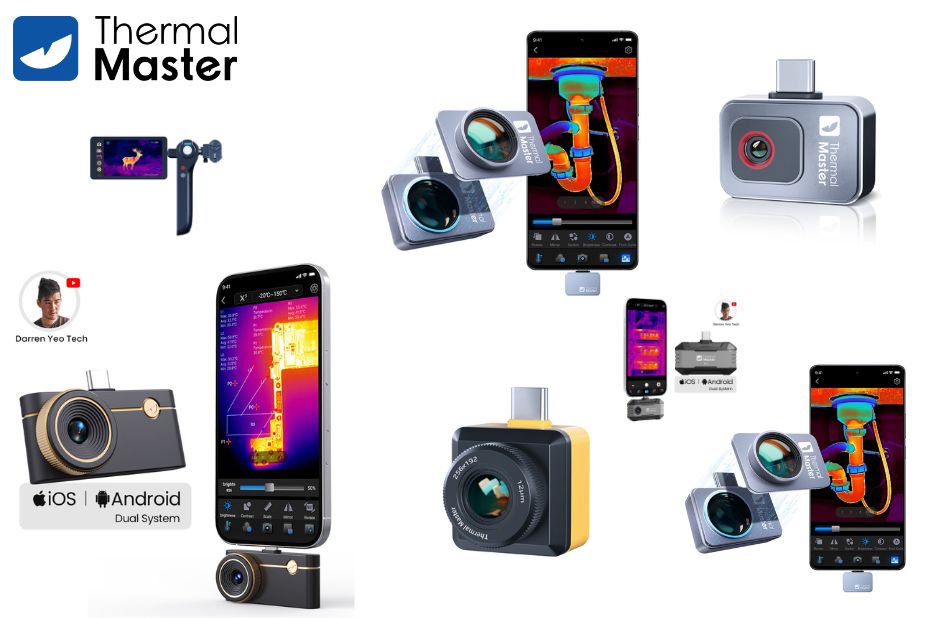
What a thermal imager does
A thermal imager for android is a compact device or software tool that translates infrared radiation into visible images. It helps users identify heat patterns, spot insulation gaps, and forecast equipment failures before they cause outages. When selecting a model, consider real time processing, sensitivity, and the quality thermal imager for android of the thermal palette. Users seeking reliable performance should note how the app interfaces with their phone and whether it supports external camera modules or built in sensors on the device. Practical testing shows how these features translate into everyday use.
Key features to compare
Look for high resolution thermal imagery with clear distinction between hot and cold spots. The field of view affects situational awareness, so a wider lens can be beneficial for room scans or outdoor monitoring. Important metrics include thermal sensitivity, detector type, frame rate, and temperature range. Battery life and storage capacity matter for long field sessions, while calibration options influence accuracy. A good tool also integrates with maps or notes for documenting findings during multiple-site inspections.
How to test in real world scenarios
Plan simple tests that mirror your typical tasks, such as checking home insulation, electrical panels, or mechanical joints. Observe how quickly the device returns a thermal image and how stable the display remains under movement or vibrations. Check whether the app captures photos with metadata and if you can annotate measurements directly on the screen. In outdoor conditions, evaluate performance in varying temperatures, wind, and lighting to confirm that the imagery remains legible and reliable enough for decision making.
Choosing the right setup for your needs
Decide between a standalone thermal imager and an add on option that connects to a smartphone. If you frequently work solo, a compact, rugged design with intuitive controls helps you stay efficient. For professional contexts, prioritize accuracy, calibration features, cloud backup, and compatibility with your existing inspection workflows. Budget constraints often steer buyers toward mid range models that balance image quality, ease of use, and durability while still offering essential software features such as report generation.
Conclusion
Thermal imaging tools can unlock new levels of insight for routine checks and complex diagnostics. Start by identifying your most common tasks and selecting a device or app that fits those scenarios. As you refine your setup, you’ll appreciate the speed of obtaining actionable visuals and notes on the same screen. Visit Thermal Master for more information on similar tools and guidance to keep your inspections efficient and accurate.