
Plan the job before you start
Good fixings begin with a quick check of what you’re fastening and what it’s going into. Note the base material (steel, timber, masonry or sheet), the thickness, and whether you need corrosion resistance for outdoor work. Think about access too: cramped areas may favour a hex head, while visible areas may Self Drilling Screw online need a neat finish. Measuring properly avoids stripped threads and wasted time. Keep a small kit handy: driver bits that match the head, a drill for pilot holes when needed, and a torque setting so you don’t over-tighten and deform thin sheet.
Choose screws that cut cleanly
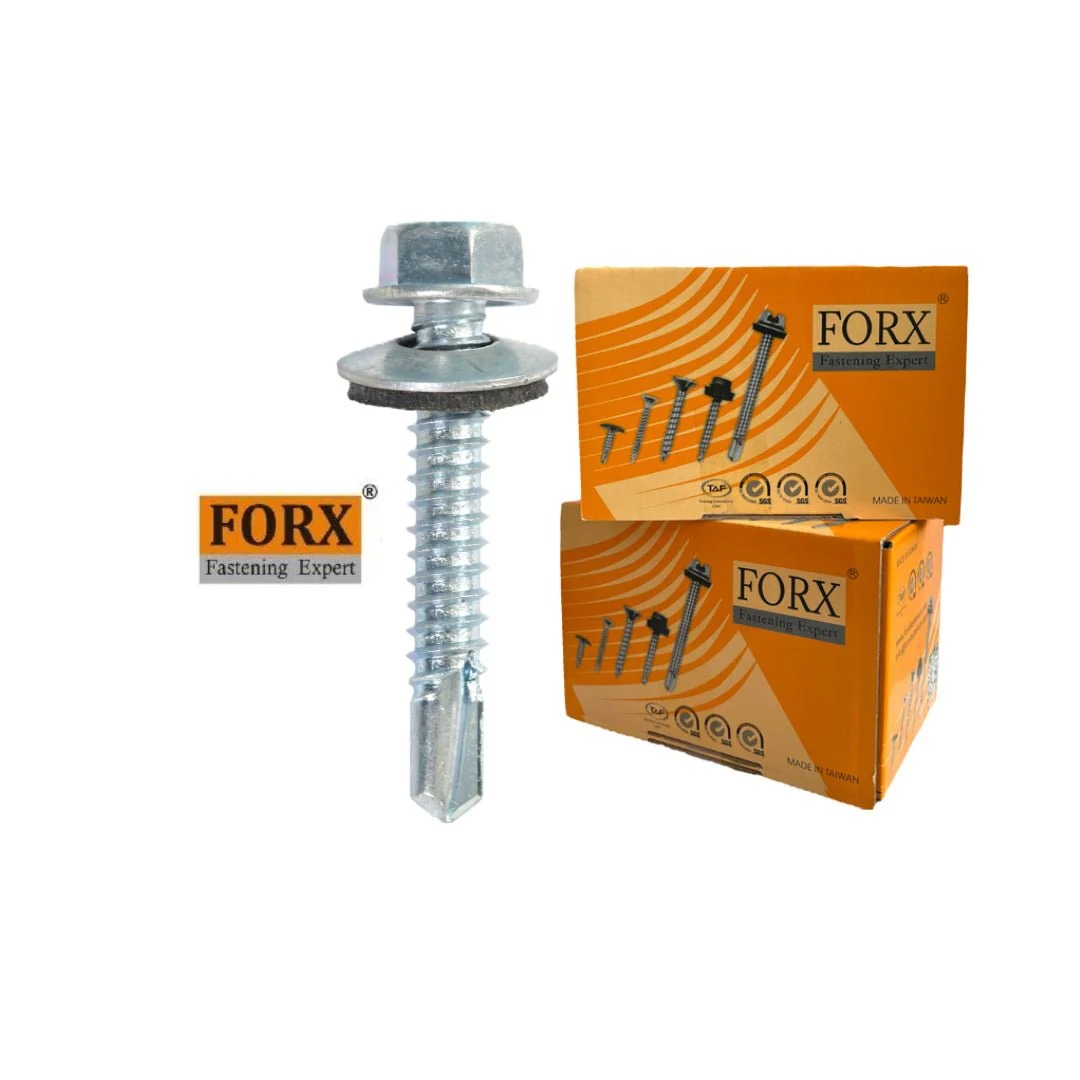
When working with metal cladding, ductwork, brackets or light gauge frames, the right point style matters as much as the diameter. A sharp drilling tip helps the fastener start straight and reduces wobble, which protects coatings and keeps holes neat. Match the screw length so you get full thread engagement without buy nut online bottoming out. For repeat work, ordering Self Drilling Screw online can help you stick to the same specification across jobs, especially if you’re replacing like-for-like on site. Always pair the screw with the correct driver and keep bits fresh to avoid cam-out.
Get nuts and threads to match
Nuts look simple, but thread pitch, grade, and finish can make or break an assembly. Coarse threads suit general construction, while fine threads can be useful where vibration control and adjustment are important. If you’re matching existing bolts, check both diameter and pitch rather than guessing. Zinc-plated nuts are common indoors, while stainless can be better near moisture or chemicals. For maintenance teams, it’s often easier to buy nut online in consistent packs, then label drawers by size and grade. That saves time when you’re doing repairs and need the right part immediately.
Avoid the usual installation mistakes
Most fixing failures come from rushing: starting the screw at an angle, using the wrong bit, or over-driving until the head spins. Keep the tool square to the surface and apply steady pressure so the point can cut rather than skid. On thin sheet, let the screw do the work—excess force can enlarge the hole and reduce grip. If you’re fixing into layered materials, check that the threads bite into the correct layer, not just the first skin. Where vibration is expected, consider washers or thread-locking methods, and recheck torque after initial settling.
Stock control that saves time on site
Running out of fasteners mid-job costs more than the parts themselves. A simple stock routine helps: set minimum quantities for your common sizes, and reorder before you hit them. Keep fixings in sealed containers to avoid damp, which can cause surface corrosion and jam threads. Separate similar-looking items—mixing stainless with plated parts can lead to galvanic issues later. For larger projects, pre-kitting by room or task reduces back-and-forth to the van. Record what worked on previous jobs (size, coating, head type) so reorders are straightforward and consistent across your team.
Conclusion
Choosing fixings is mainly about matching materials, loads, and conditions, then installing with care so the threads and coatings stay intact. Take a moment to confirm sizes and grades, use the correct driver, and keep stock organised so you’re not improvising under pressure. If you want a quick reference for comparable hardware or to double-check common specifications, you can casually look at speedex technical for similar tools and parts.