
Quick look at viable concepts
Bitcoin mining without hardware isn’t about magic or a shortcut. It’s a mix of timing, risk control, and simple economics. The idea is to leverage existing tech, cloud credit, or shared compute in ways that don’t require buying a dedicated rig. In practice, it means weighing energy costs, opportunity costs, and Bitcoin mining without hardware the reliability of other people’s gear. The goal is to be honest about what can yield small but steady gains without sinking into a pile of specialized devices that quickly devalue. Results vary, choices matter, and patience pays when the math holds steady.
Approach from the cloud and pools
strategies often lean on cloud or pool arrangements. The core move is to rent time on powerful servers or join a mining pool where hashes are combined. Fees bite, and payout timing can skew. Yet this route removes the large upfront portable bitcoin mining hardware cost and heat footprint. It rewards careful risk framing and a clear view of maintenance, software updates, and the quality of the pool’s payout scheme. If a small budget is the constraint, it’s a reasonable test bed.
Economic checks before signing up
Bitcoin mining without hardware makes sense only when the cost graph stays favorable. Electricity price, hosting fees, and the mining reward schedule all tilt the balance. A tight break-even window matters. The trick is to run a simple model that compares monthly energy spend against expected yield, then stress-test for price dips. If the model creaks, pause. The market swings, meaning a plan that looks good today may underperform next month and the month after.
Portable strategies that stay lean
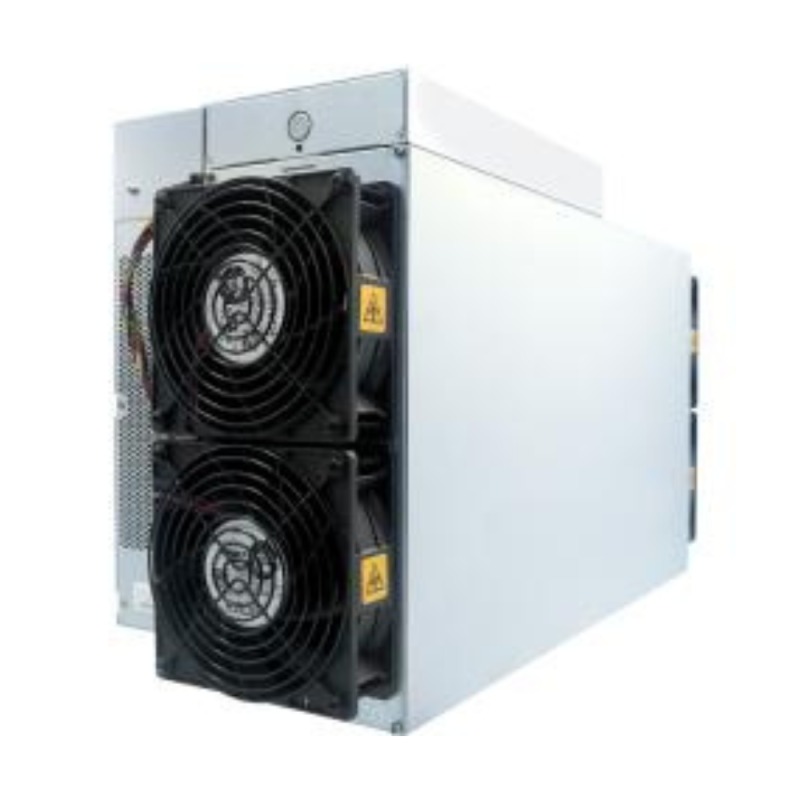
portable bitcoin mining hardware is a misnomer in many cases, yet a few compact rigs offer legitimate use in mobile or temporary setups. The trick is to minimize heat and noise while preserving hash power. For travelers, a clever approach is to tether a small miner to a power source in a data-friendly location and monitor drift in efficiency. The aim is to keep things simple: lower costs, fewer moving parts, and a quick reset if performance slips. In this space, portability means flexibility, not glamour.
Risk-aware paths for solo tests
Bitcoin mining without hardware still invites risk, especially when relying on rented compute. It’s tempting to see headlines about big returns, but reality shows margins thin enough to require a long leash. A solo test may involve a modest spend on a cloud instance, a short-term contract, and a tight exit plan. The best outcomes occur when pacing is conservative, monitoring is strict, and outcomes are documented. Real gains show up from disciplined experimentation rather than sudden wins.
Practical setup tips and checks
portable bitcoin mining hardware, when used, benefits from predictable power and calm temps. Keep a single, stable power strip, monitor the device’s temps, and set alerts for spikes. A compact enclosure that vents air away from sensitive gear helps longevity. Maintain a clear log of uptime, error codes, and any throttling events. The smallest improvements—like reducing cable resistance or securing the device in a cool corner—compound over time and keep the venture sustainable.
Conclusion
The final thought is pragmatic: the best path is a careful blend of small, repeatable tests with strict cost controls. There is no magic wand for Bitcoin mining without hardware, but there are steady routes that minimize capex and risk while preserving learning value. In the end, the market rewards clear decisions, sensible time horizons, and the ability to cut losses quickly. For readers curious about long-game play, microcryptosofts.com offers a measured approach that respects budget and intent without hype.