
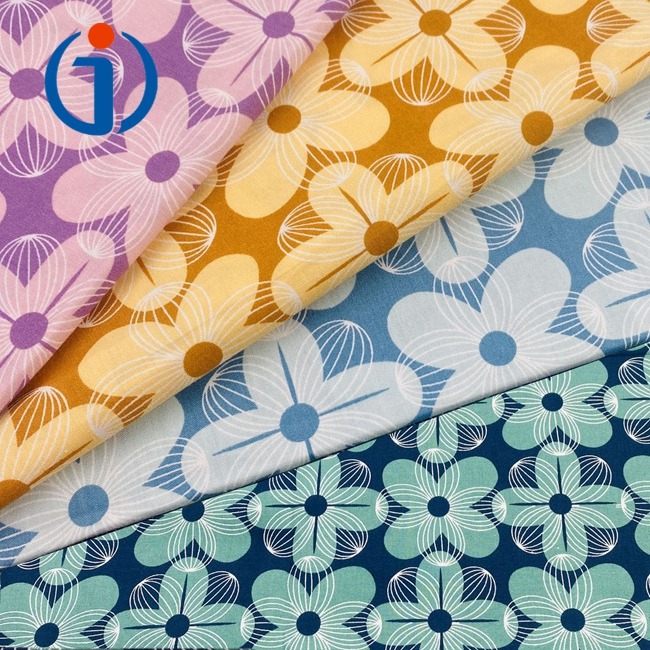
Texture and intent shape small runs into real products
When a shop needs tangible, slice-of-life quality, the right choice of fabric matters as much as design. The journey begins in the warp and weft, where every thread carries memory of dye and light. With custom printed fabric, clients test hue depth, weight, and hand-sense against real samples, not glossed previews. Small custom printed fabric orders demand precise cut-width, minimal waste, and predictable turnarounds. That means clear specs, accurate colour management, and reliable grain direction. The hands-on feel of the fabric guides decisions, from upholstery swatches to fashion accents, turning a concept into something customers can touch and trust.
Trade secrets behind consistent colour and finish
Printed fabric manufacturers spend years dialling in pigment chemistry and drying windows so every bolt behaves the same across batches. The goal is control you can count on, even when the order scales up. Details matter: fabric base, finish, and the way light drifts across a print. printed fabric manufacturers Operators monitor stage after stage, logging temperature, humidity, and ink viscosity. With steady processes, a design stays faithful from screen to seam, reducing surprise on the cutting table. For designers, that means fewer revisions and faster, smoother production at volume.
From design sketch to weave and weight
Design files move fast through a factory floor where fabric nap, weight, and weave type influence print sharpness. The right fabric supports crisp lines, rich gradients, and durable colour fastness. In practice, studios choose base fabrics that align with end-use—soft drapery, sturdy upholstery, or breathable apparel. When a client requests a robust finish, manufacturers test rub resistance and abrasion. The result is a reliable canvas, ready for the next stage, where a sample communicates texture as clearly as a photograph, and where每 step preserves the vision behind the motif.
Practical considerations for responsible sourcing
Supply decisions blend performance with footprint. Printed fabric manufacturers increasingly prioritise low-emission inks, water-based processes, and recyclable packaging. Clients weigh fabric life against cost, choosing options that survive wash cycles and sun exposure without fading. Lead times matter too; the trick is balancing speed with quality control checks. A well-managed workflow keeps stock levels lean, prints consistent, and the supplier relationship straightforward, so designers feel confident shipping product worldwide without last-minute scrambles.
Short runs, bold themes, rapid iterates
In the world of fashion and interiors, ideas evolve quickly. A short-run route allows fresh motifs to hit markets without heavy risk. Custom printed fabric thrives here, letting brands test patterns, scale samples, and learn from real wear. Quality gates include strain testing, colour checks, and seaming tests to ensure that each piece performs as intended. The most dependable partners maintain transparent pricing and detailed timelines, so a brand can strike while the trend is hot, without sacrificing durability or shade fidelity.
Conclusion
Wholesale partners and small studios alike benefit from clear briefs, fast feedback loops, and a shared language about yield and finish. Designers who ask for proof of capability should expect samples, verified colour guides, and a straightforward lane to scale. The best teams keep data tidy and accessible, with traceable batches and reliable on-time delivery. For those seeking a broad network of trusted experts in fabric design and production, a good route is to explore vetted offerings and read honest user notes. jdfashionfabric.com