
Why rentals are a smart way to start
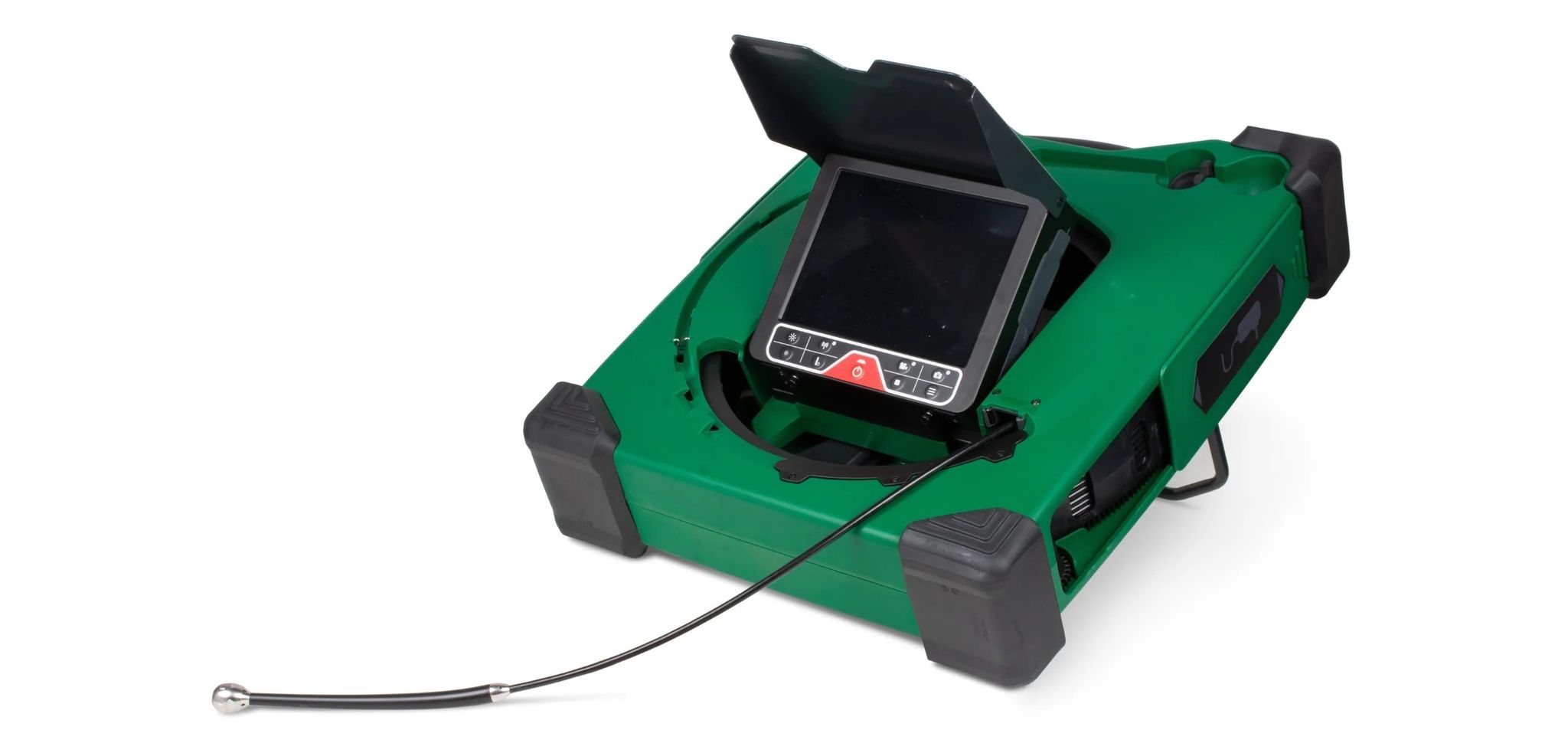
Renting inspection equipment is often the fastest route to accurate results when you need a targeted look inside a drain or sewer line. A rental typically includes a camera, lighting, and a control unit, so you can begin assessing conditions without waiting to source parts or build an entire setup. This approach is sewer camera rental especially helpful for teams that handle occasional line investigations or special projects where owning equipment may not be cost-effective. It also reduces the risk of buying gear that turns out to be too limited for the specific pipe sizes or access conditions you face.
Different projects call for different cable lengths, camera heads, and viewing features, and rentals make that flexibility practical. Instead of committing to one configuration, you can choose what fits the route, the expected obstructions, and the level of documentation needed. For example, a short run with a straightforward access point may require a compact setup, while a longer inspection may demand extended cable reach and stable signal handling.
Key benefits for contractors and maintenance teams
One of the biggest advantages is predictable budgeting. Rather than paying upfront for a full system, rental pricing lets you allocate costs to the specific inspection scope, which can help you align expenses with job estimates. This is useful for maintenance providers working drain camera across many sites, where inspection needs vary and equipment utilization may be inconsistent. Rentals can also support scheduling flexibility, since you can plan inspections when labor and access are available without maintaining a large equipment inventory.
Another benefit is improved documentation and better decision-making. When you can show what’s happening inside the line, it becomes easier to recommend repairs, confirm the effectiveness of prior work, and prioritize urgent issues. Many rental packages are designed to help operators record footage and review footage details on-site, making it simpler to produce an organized inspection narrative.
Rentals also help teams maintain safety and efficiency. By performing remote visual assessment, crews can reduce the need for repeated excavation or guesswork, which lowers disruption and helps protect surrounding structures. When a problem location is confirmed through visuals, field work can be more precise, minimizing time spent on troubleshooting and reducing the chance of unnecessary repairs. This is especially valuable on tight job sites where access is limited and each hour of downtime matters.
Choosing the right equipment for your inspection scope
Selecting the right inspection system depends on more than basic camera capability. You should consider the pipe diameter range, the distance to be covered, and the kind of defects you expect to find, since these factors influence cable length and camera head suitability. If your access points are narrow, a compact camera can reduce friction and speed up deployment. If your line requires longer reach, a rental that includes appropriate cable and stable control performance can prevent interruptions mid-inspection.
It’s also important to think about accessories and how they affect results. Some investigations benefit from guidance tools for better navigation around bends, while other situations require cleaning or protective components to prevent the camera from getting stalled. When you plan ahead and match accessories to the job, you can capture more usable footage and reduce rework. For example, if the line is partially blocked, working with the right support gear can help you reach the area of concern without damaging the equipment.
To get the most value from a rental, set expectations for workflow. Assign someone to handle setup and cable management, and establish a simple process for documenting footage angles and locations. If multiple stakeholders need to review results, consider how the recording and output format will be shared after the inspection. This preparation helps you transform visual findings into actionable recommendations rather than raw footage without context.
Conclusion
By choosing equipment based on pipe conditions, access constraints, and the type of defects you’re likely to encounter, you can improve inspection quality while keeping costs aligned with job scope. FIBERSCOPE.NET is positioned to help professionals and project managers find the inspection tools and accessories needed for efficient temporary work, with options available through store.FIBERSCOPE.NET. When inspection needs are intermittent, a rental approach can also help your team stay prepared for different site requirements. Instead of waiting to buy specialized gear, you can scale up for a specific project and scale down afterward, keeping operational overhead under control. That flexibility supports better service delivery and helps your team respond to new work requests with less friction. With the right selection and a solid inspection workflow, rental equipment can deliver outcomes that feel like full ownership—focused on the inspection results that matter.