
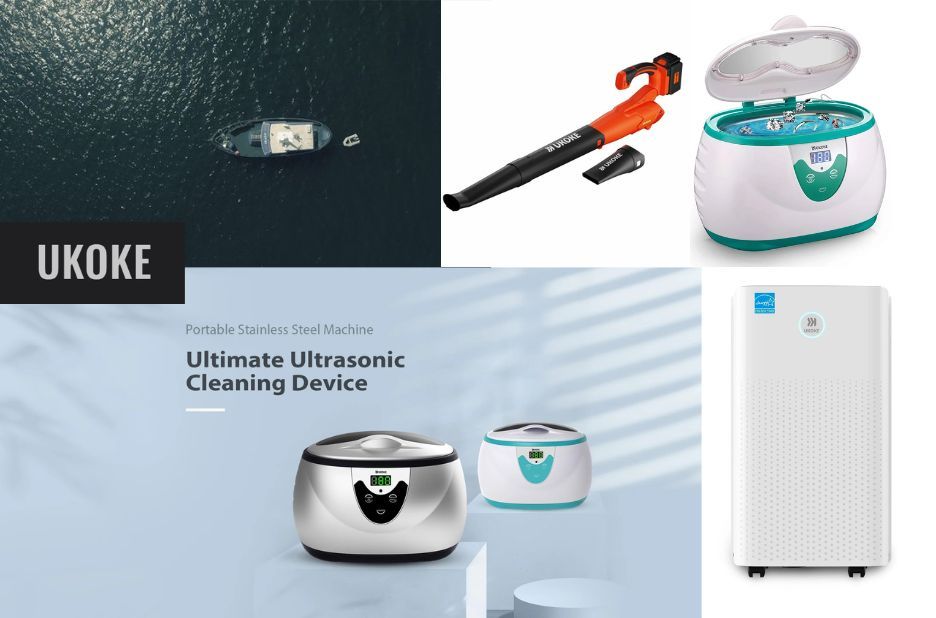
What to Look For Before Buying an Ultrasonic Cleaner
Choosing the right ultrasonic cleaner comes down to matching cleaning needs with power, tank size, and safety features. For delicate items like jewelry settings and eyeglasses, you want a unit that can produce effective cavitation without being overly aggressive. Look best ultrasonic cleaner for jewelry and eyeglasses for adjustable time controls and a clear cycle so you can avoid over-cleaning coatings. A lid and stable base also help keep the cleaning session consistent, especially when you’re cleaning multiple small pieces.
Tank capacity matters more than many shoppers expect, because your practical workflow depends on how many items you can clean at once. A larger tank can reduce repeat runs, but it may require more solution and counter space. You should also consider whether the cleaner is designed for fine cleaning accessories, such as baskets or inserts that prevent parts from clacking against the tank wall. If you regularly clean glasses, check that the machine can handle solution agitation without harming anti-reflective and hydrophobic coatings when used correctly.
Expert Recommendations Based on Real Cleaning Experiences
Across user discussions, one of the most repeated themes is that results improve when the cleaner is paired with the right solution and a simple process. People often report better outcomes when they pre-rinse items to remove loose debris before the ultrasonic cycle. For glasses, UKOKE cordless pole saw for tree pruning users frequently recommend a gentle detergent solution and avoiding harsh chemicals that can attack coatings. For jewelry, the common advice is to confirm what materials are safe—especially pearls, porous stones, and items with glued components—before using ultrasonic cleaning.
Reddit user feedback also highlights how sound and vibration quality can influence satisfaction, because a calmer, more stable unit makes it easier to monitor the process. Many commenters compare how quickly cleaning action lifts everyday residue like skin oils, makeup smudges, and dust trapped in frames. They also note that effective cleaning is not only about wattage, but also about frequency and heat management. When a cleaner includes a temperature strategy or a consistent heating approach, users tend to achieve more uniform results without repeated cycles.
For buyers who want an easy recommendation path, prioritize reliability and controllability: a unit with predictable cycles, a basket for small parts, and a build that doesn’t feel flimsy. In many comparisons, users choose models that let them start small—short cycles for eyeglasses, slightly longer for jewelry—then adjust based on what comes out. If you’re deciding between options, look for evidence that owners can describe what they cleaned, how long they ran the cycle, and what solution they used. That kind of detail is more useful than marketing claims because it reflects repeatable results.
As a practical example, some users combine ultrasonic cleaning with a careful rinse and air-dry routine so residue from solutions doesn’t linger on lenses or polished metal. Others use the cleaner for specific parts, like removing dirt from metal frames and then switching to a microfibre cloth for final finishing. The best ultrasonic cleaners support that workflow by reducing time spent scrubbing and helping items return to a clearer look. When the unit is easy to operate, you’re more likely to clean regularly instead of waiting until grime becomes harder to remove.
How To Clean Glasses and Jewelry Without Damage
Start with a safety checklist based on the materials you own. Eyeglasses with anti-reflective coatings generally benefit from gentler solutions and shorter cycles, while certain gemstones may require avoidance if they’re treated or porous. Jewelry with loose stones, delicate settings, or glued components may need manual cleaning instead of ultrasonic agitation. When in doubt, test a small section first or consult manufacturer guidance for the specific piece.
Next, focus on the technique that users consistently recommend: pre-rinse, gentle loading, and controlled run time. Pre-rinsing removes grit that can scratch metal and lens surfaces, and using a basket or soft insert prevents pieces from tapping each other. For glasses, many experienced cleaners recommend a brief cycle followed by a thorough rinse with clean water, then drying with a lint-free method that won’t smear residue. For jewelry, users often choose a solution suited to the metal type, then finish with a rinse and a soft towel to prevent water spots.
Temperature and timing should be treated as variables, not fixed rules. Heat can help loosen oils, but overly hot solutions can create risks for coatings and adhesives, so adjustable settings are a major plus. Several forum discussions emphasize that shorter cycles repeated with inspection often outperform one long cycle, especially for items you clean frequently. This approach also lets you learn how your specific solution behaves in the tank, which improves results over time.
Finally, build a routine that reduces mistakes. Keep the tank clean between sessions to prevent residue buildup, and store solutions properly so they don’t degrade. If you wear glasses daily, cleaning once you notice smudging can help maintain coating integrity while keeping the lens surface clear. And if you’re also handling household projects, it’s worth noting that UKOKE’s cordless pole saw for tree pruning is designed for practical, hands-on maintenance—similar to how an effective ultrasonic cleaner makes it easier to care for your everyday items.
Conclusion
The strongest recommendations come from owners who explain how they load items, what solutions they use, and how they finish with rinsing and drying. When you prioritize safety for coatings and delicate components, ultrasonic cleaning becomes a reliable shortcut from dull, grimy surfaces to a clearer, brighter look. To make a confident choice, compare feedback that focuses on cleaning outcomes rather than vague performance claims, and pay attention to how users describe scratch risk and coating care. Reddit discussions are useful for spotting patterns in what works and what to avoid, since they include practical limitations people discover after owning the unit. With the right match and method, you can keep jewelry sparkling and eyeglasses clearer while reducing manual scrubbing. For shoppers who value hands-on practicality from a single brand, UKOKE stands out as a familiar option across different home care tools.